
Comprehensive Dental Services
From routine cleanings to complete smile makeovers, we offer a full range of dental services to meet all your oral health needs in one convenient location.
Invisalign® Clear Aligner Treatment
What is Invisalign?
Invisalign is a series of clear, removable aligners or trays that are placed over your teeth in order to straighten your teeth. The aligners are made custom for you with 3D computer imaging technology to make them incredibly effective at moving teeth into the desired position as you change aligners every 2 weeks.
Invisalign aligners provide the same end result of braces without wires or sharp metal in your mouth that needs tightened.
Will Invisalign work for me?
Invisalign will work for most patients – a consultation with Dr. Bhalala with discussion of your desired outcome will determine the duration and cost of treatment.
Invisalign Preferred Provider!
At our Imperial dental office we provide Invisalign treatment to patients from Imperial and greater Pittsburgh area.
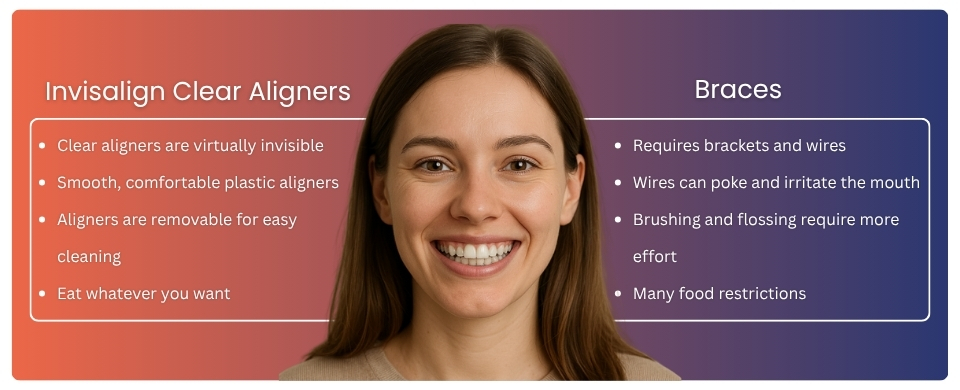
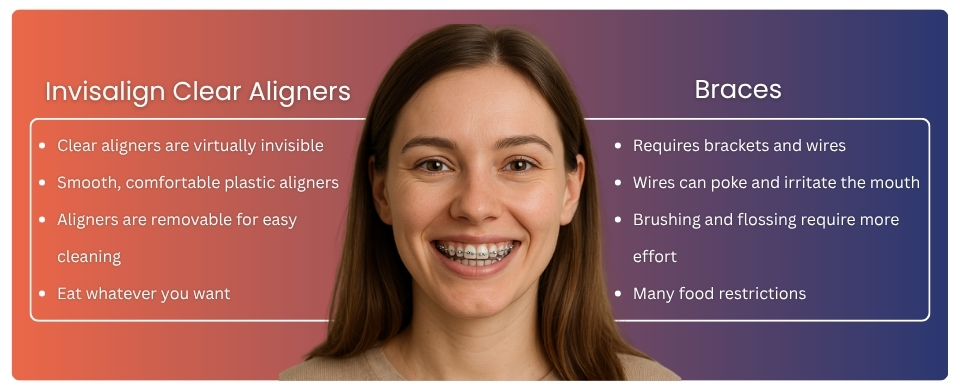
Invisalign Clear Aligners vs. Braces
Hygienic Cleaning
We believe a healthy smile is the strongest foundation for a beautiful smile. Therefore, we customize your cleaning to properly care for your specific needs, whether a six month or more frequent cleaning or deeper cleaning (Scaling and Root planing).
Teeth cleaning removes mineralised plaque that may develop even with careful brushing and flossing especially in difficult to reach areas. At the same appointment, a thorough examination and select dental x-rays will be performed to detect any underlying problems.
About Dental Hygiene
If you are a new patient, a comprehensive dental examination is performed during your initial visit to our Imperial dental office. Regular checkups are usually scheduled every 6 months. During your checkups we will:
- Perform a thorough cleaning of your teeth to remove any plaque
- Apply a toothpaste like flouride treatment to help prevent future cavities
- Take x-rays (if needed) to evaluate tooth health
- Screen for any signs of oral cancer
- Evaluate for periodontal (gum) disease
- Determine if you have any tooth decay occuring
- Examine any existing fillings, crowns, implants, etc.
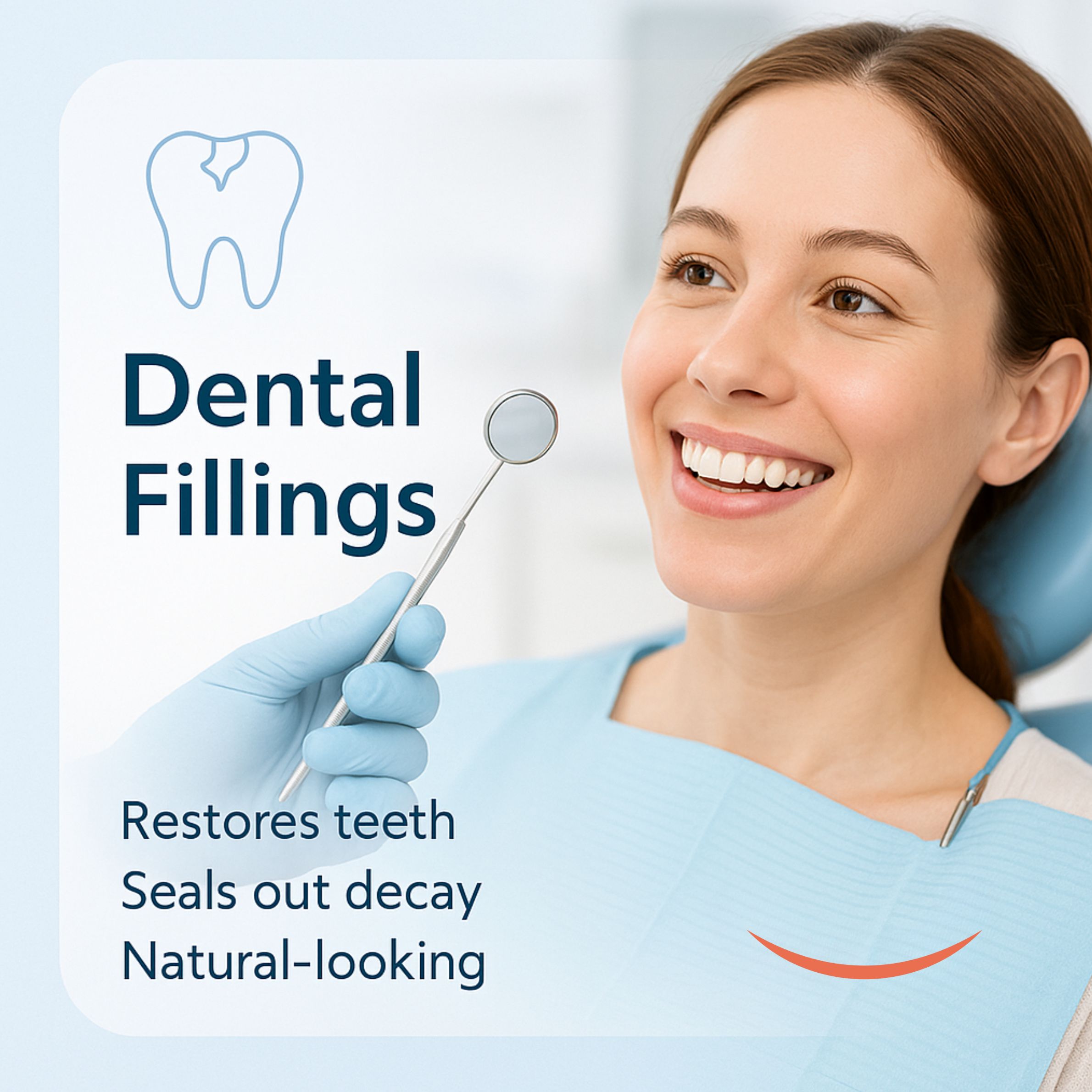
About Dental Fillings
Dental fillings may be used to restore teeth after damage has been caused by bacteria or trauma. They are recommended for repairing damage that is not extensive enough to warrant the use of inlays, onlays, crowns or extraction. By leaving more of the tooth structure intact, patients get to retain the natural strength of their own teeth.
Fillings may be silver-mercury amalgam or tooth colored. The former are often more affordable, but involve removal of more tooth structure and may place tooth structure at risk in the long term by expanding and contracting with temperature changes. The tooth colored fillings offer the advantages of less tooth removal, resisting temperature changes in addition to being more esthetic.
Filling placement begins with an X-ray to determine the extent of the damage. After removal of the damaged area, the filling material is placed, cured and polished.
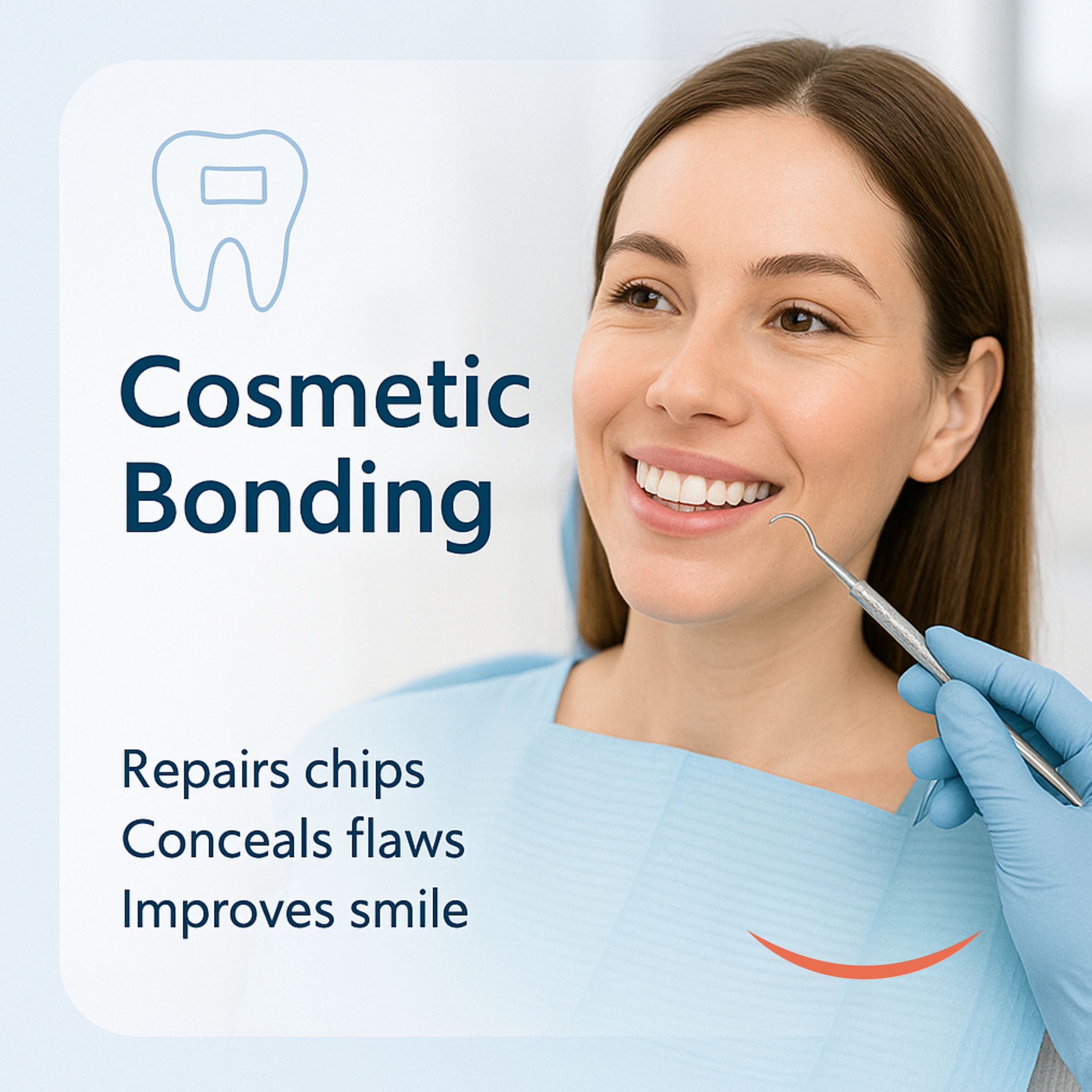
About Cosmetic Bonding
Bonding is a term used to describe applying composite resin or white fillings to teeth. Cosmetic Bonding can be used to:
- Restore tooth structure after removal of decay
- Repair cracked or chipped teeth caused due to trauma
- Reshape teeth or to close gaps
- Mask deep stains
- Protect exposed tooth roots caused by gum recession
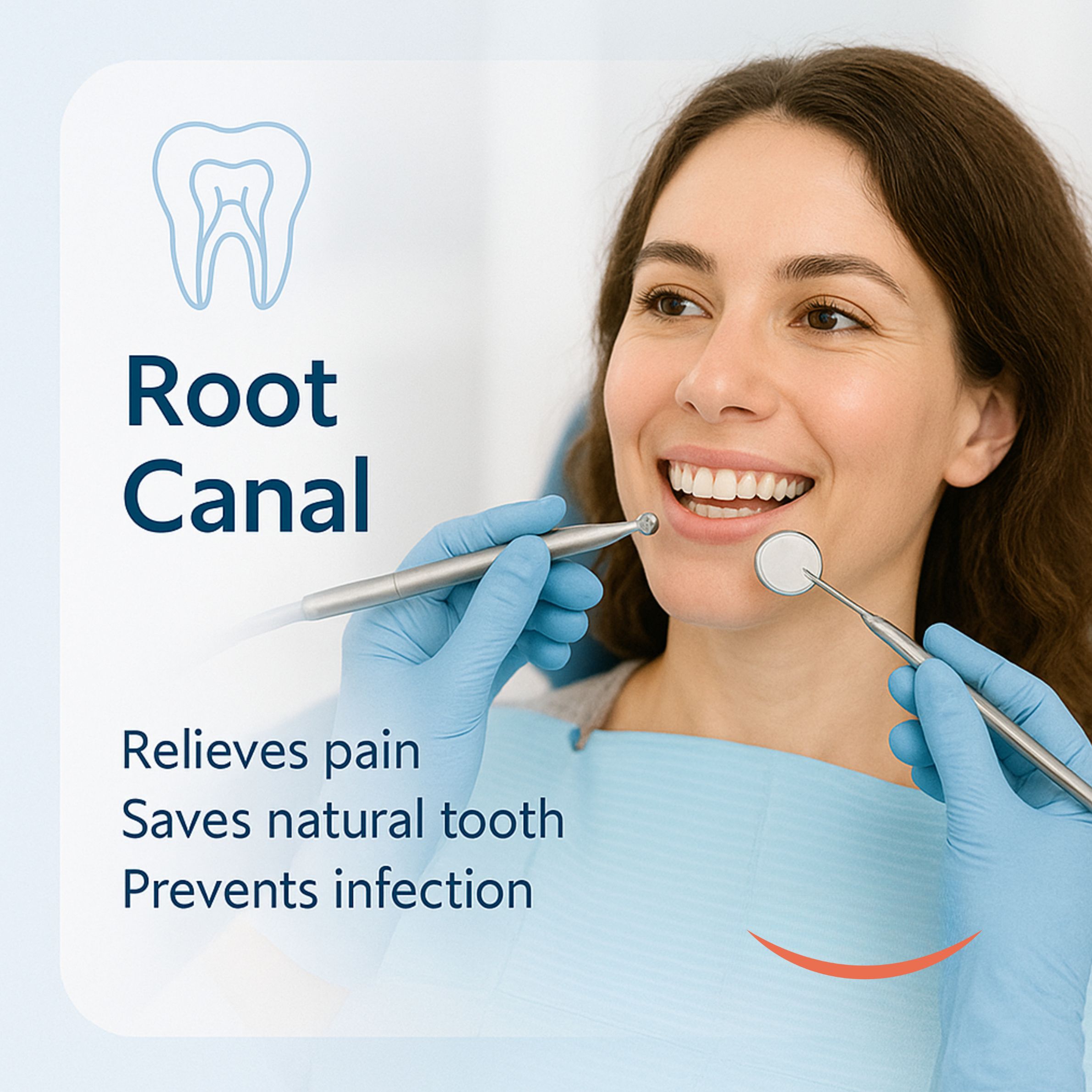
Root Canal
A root canal is needed when the nerve of a tooth is affected by decay or infection. To save the tooth, the pulp, decay, and nerves are removed and the empty space is filled with dental material which restore the tooth to normal function.
The only alternative to a root canal is to have the tooth removed entirely. Most teeth treated with a root canal will last a lifetime – but occasionally a tooth may need retreated if it becomes reinfected.
How do I know if I need a root canal?
Ultimately, only an exam and x-rays can determine if you really need a root canal. However, if you have any of the following symptoms you should schedule an appointent as soon as possible.
- An abscess (painful bump) on the gums
- Sensitivity to hot and cold
- Severe toothache or pain
- Swelling and/or tenderness
- Protect exposed tooth roots caused by gum recession
Is having a root canal painful?
Normally the procedure itself is no more painful than having a filling done. We use a local anesthetic so that you will be comfortable throughout the procedure. After the anesthesia wears off, you may have some discomfort in the affected tooth or surrounding area – usually an over the counter pain reliever is sufficient for dealing with any discomfort.
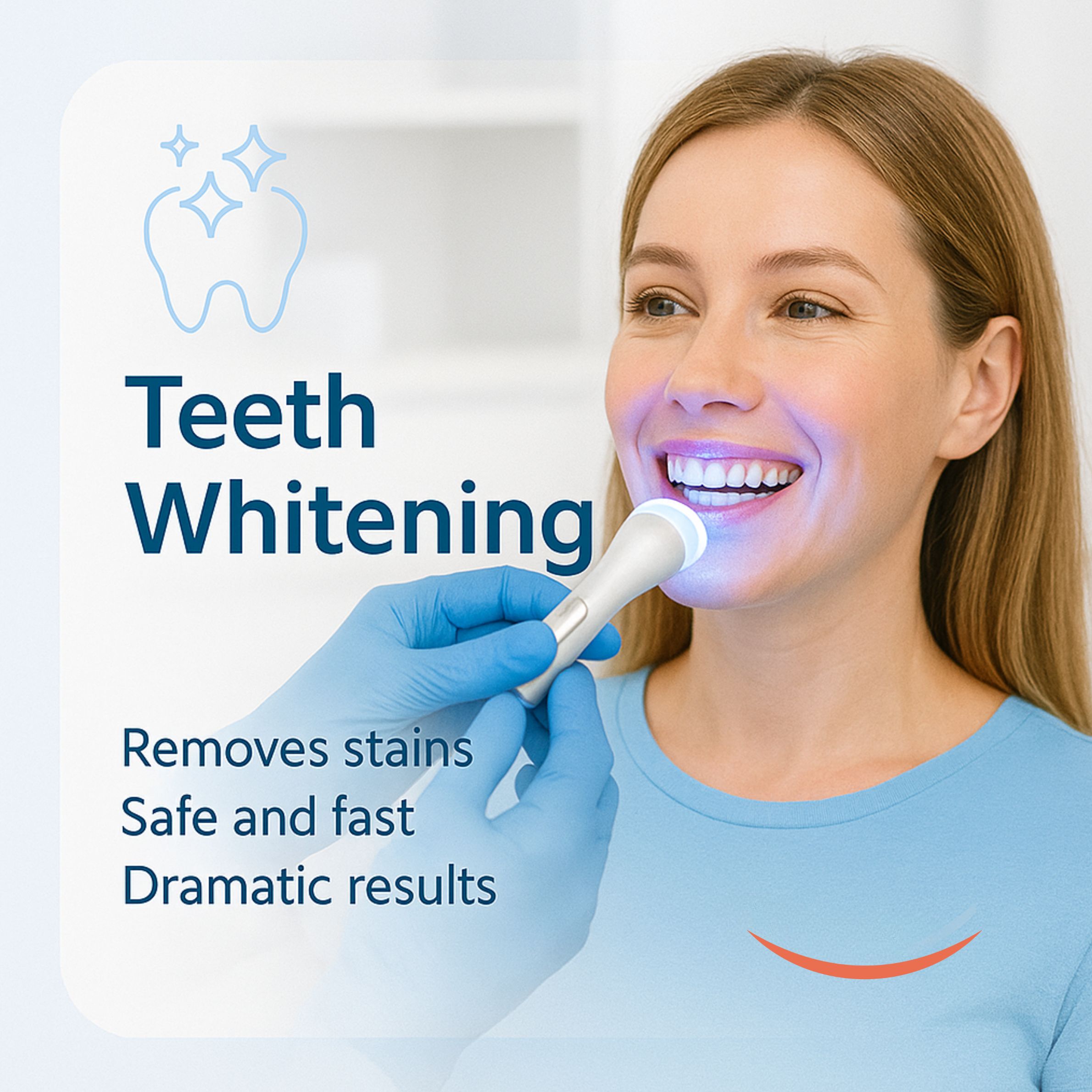
About Teeth Whitening
A healthy, bright smile can make you feel more confident. Teeth whitening can be done by itself or in conjunction with other fillings, bondings, veneers or crowns to enhance your smile.
Options include at-home whitening or in-office procedures. At-home systems include customized mouth trays that fit the contours of your mouth and ensure precise delivery of the whitening agent that is more powerful than over-the-counter versions. Most people see results in just a few days, but may continue longer for maximum results. In just a one hour long appointment most patients see dramatic whitening results.
At our Imperial dental office, in-office whitening involves use of a stronger whitening agent under the direct supervision of the dentist.
About Veneers
Veneers are thin coverings placed over the front (visible) part of the tooth that can transform your smile. When placed on front teeth they can be used to treat teeth that are severely discolored, poorly shaped, or slightly crooked. Veneers can give you a million dollar smile without the million dollar cost!
As with most dental restorations, veneers are not permanent and may someday need replacement due to excessive damage or wear. With regular checkups and maintenance, veneers are very durable and will last many years, giving you a beautiful, long lasting smile.
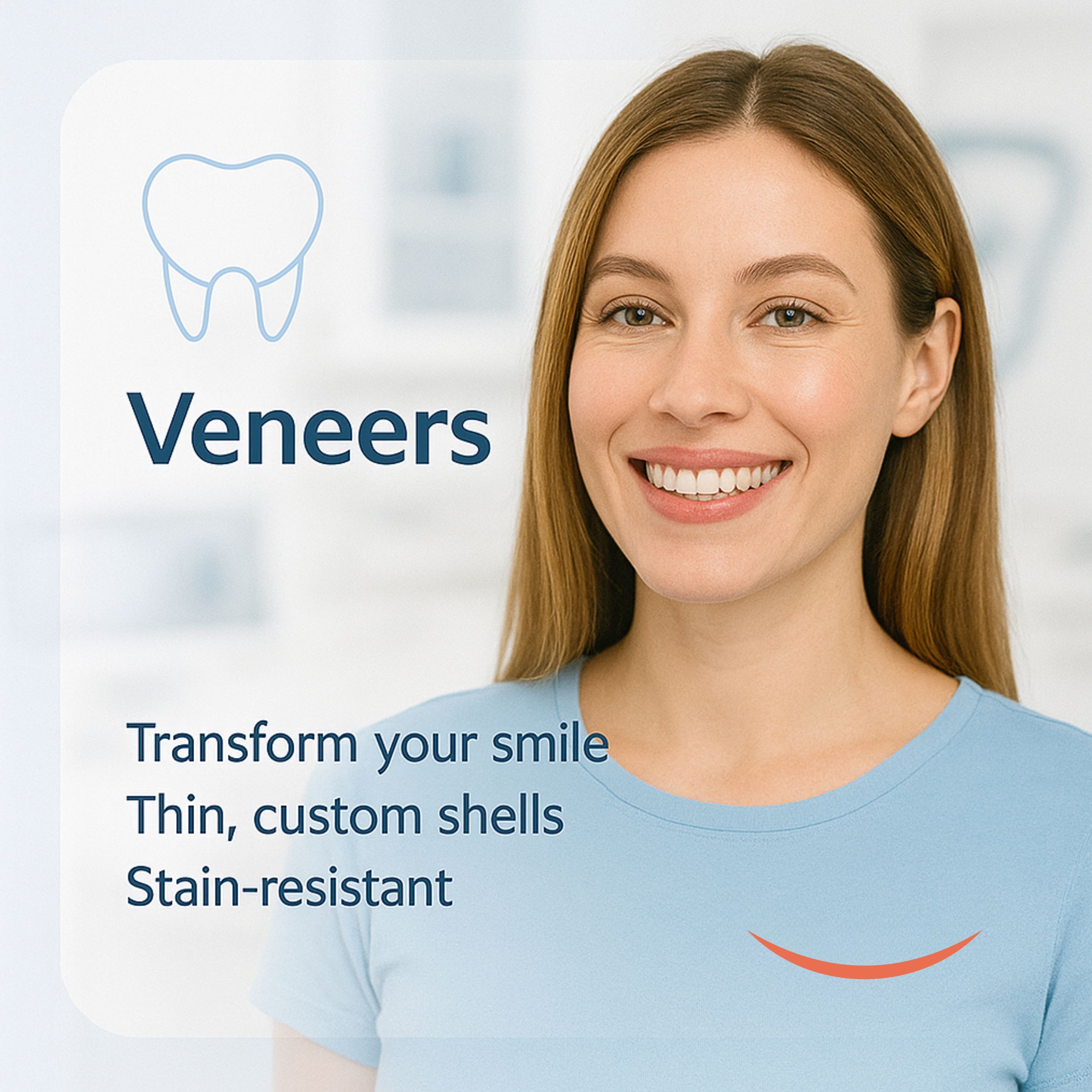
Two Kinds of Veneers
Composite Resin Veneers
These are generally completed in one visit.
Porcelain Veneers
These are lab made veneers that are stronger and require more than one appointment to complete.
Why would I need or want veneers?
- Create a uniform, white, beautiful smile.
- Fix Misshappen or crooked teeth.
- Severely discolored or stained teeth
- Teeth are too small or large.
- Cover unwanted or uneven spaces or chips.
About Crowns and Bridges
Crown
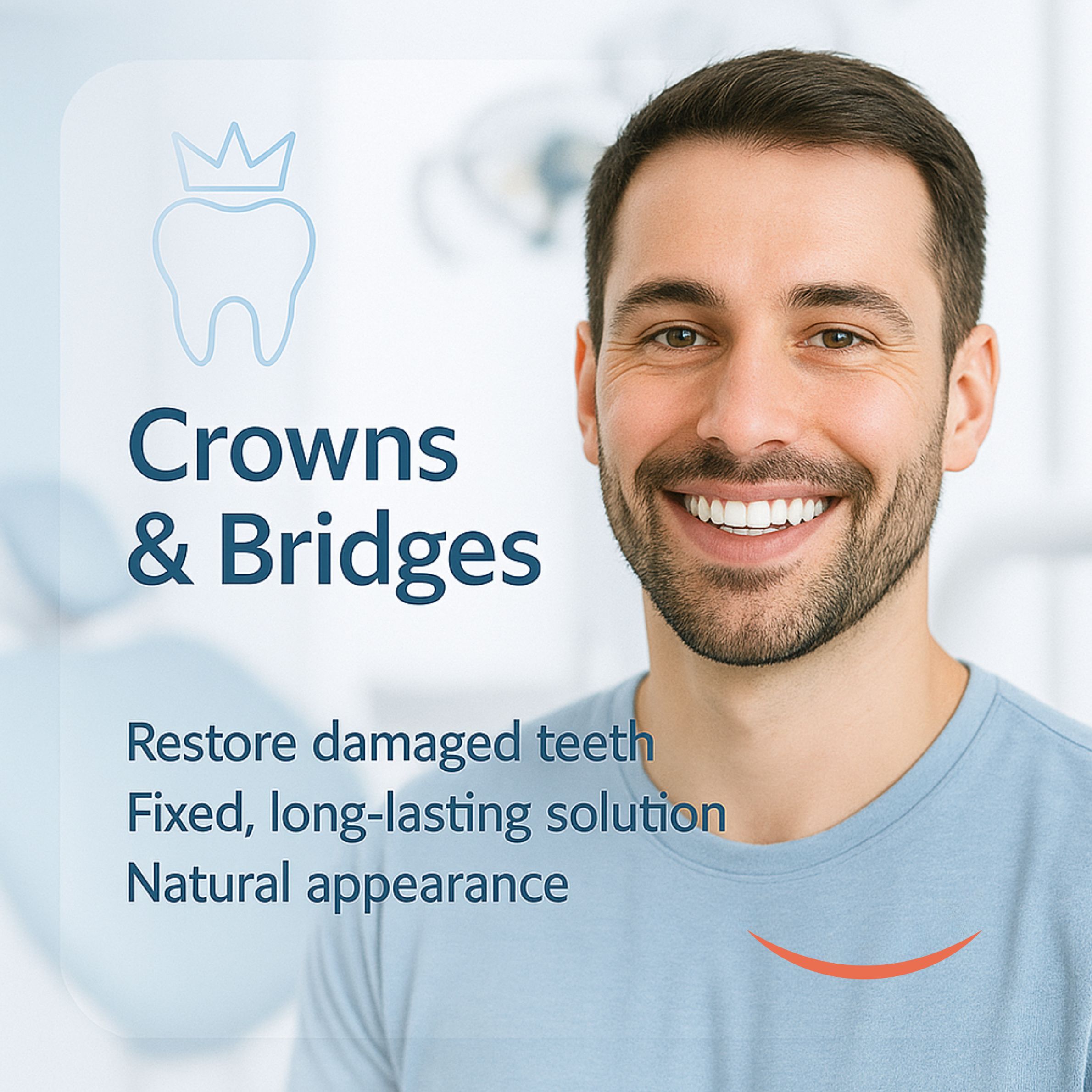
A crown is a restoration that covers the whole tooth to restore the tooth back to its original structure, function, and esthetics. Crowns are necessary when a cavity is large enough that the remaining tooth structure cannot support a filling, to restore fractured teeth, or cover ill shaped or discolored teeth. Crowns are very durable and crafted to resemble and feel like the original tooth.
The procedure is completed in two appointments. At the first appointment, the tooth is prepared for the crown, impressions taken, and a temporary crown is placed. The impressions are sent to a lab that designs the permanent crown. At the second appointment, the permanent crown is cemented onto the prepared tooth.
Bridge
A Dental Bridge is a fixed appliance used to replace one or more missing teeth and involves a similar procedure as crowns. They may require implants, be attached to existing teeth for support, or be on a removable partial denture.
About Implant Restorations
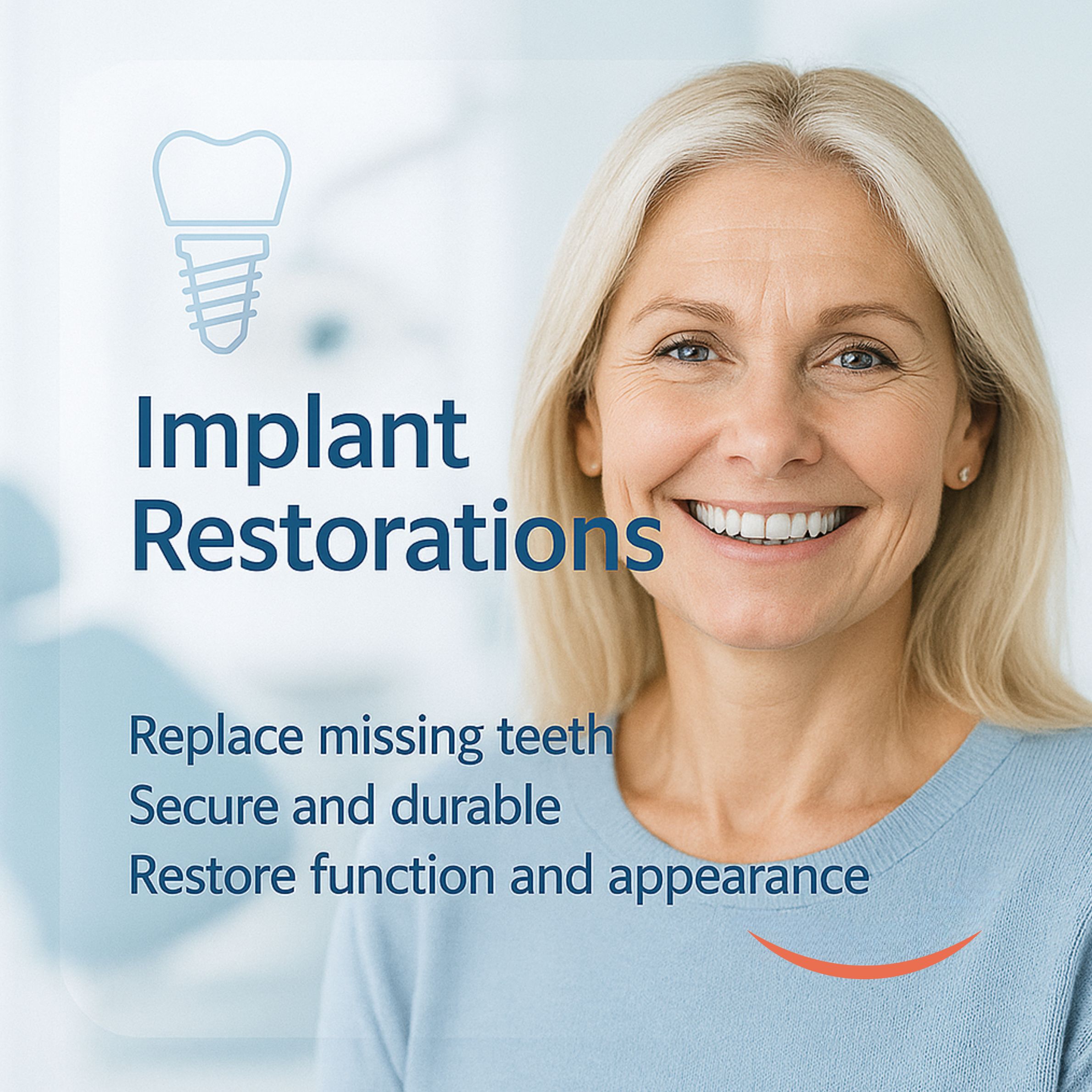
Dental implants replace lost teeth completely, offering stability in the jaw bone and options for mounting either removable dentures or permanent crowns. By preventing resorption of the jaw bone after tooth loss, dental implants support the health of other teeth and help patients avoid facial muscle tone loss later.
Before implant placement, the oral surgeon will assess the patient’s jaw to see if there’s a necessity for jaw bone grafting. Once the implants have fused with the jaw bone, which can take a few months, patients are ready to have the crowns or dentures placed on top of the implants. Recovery is minimal and the implants can be maintained with brushing and flossing.
Dentures
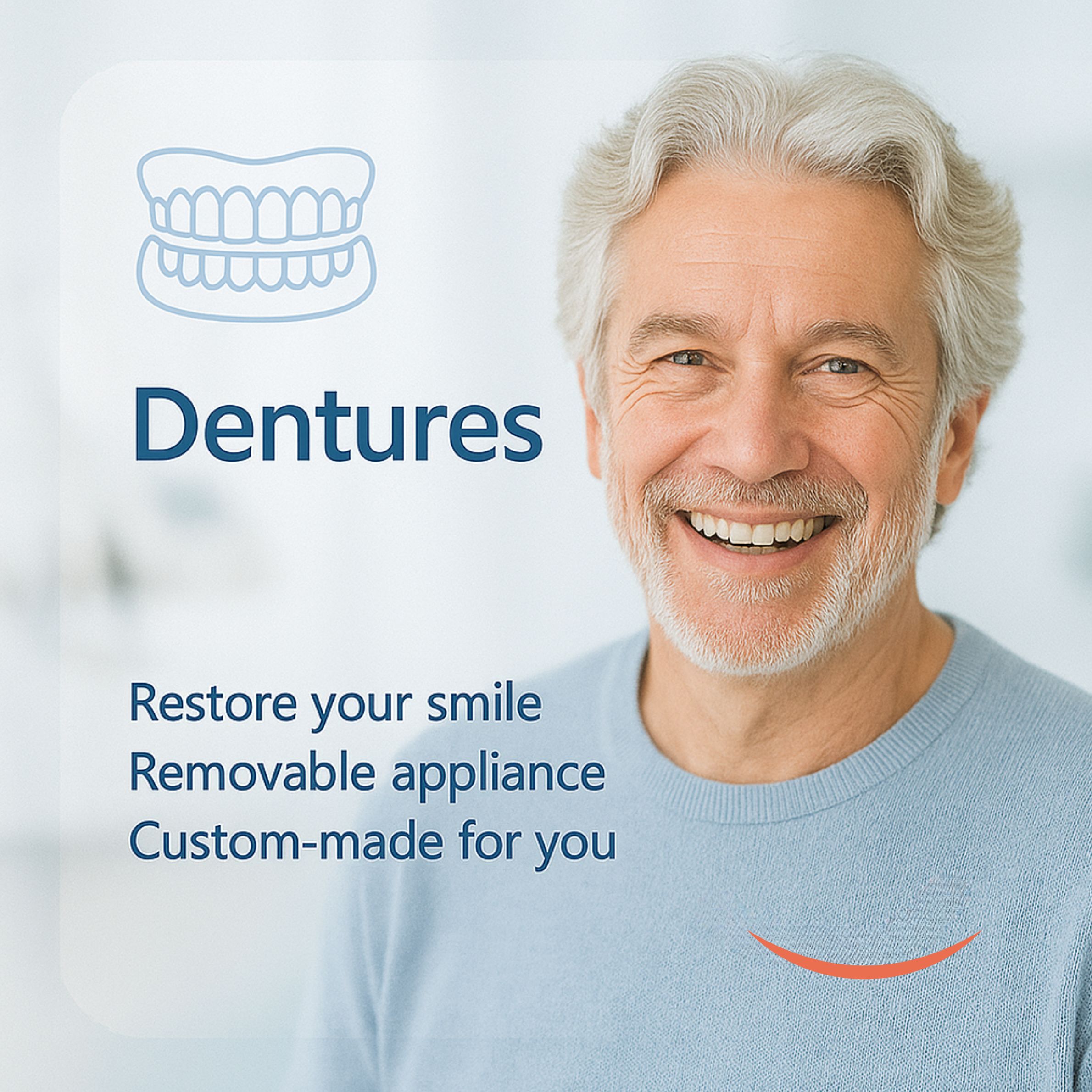
A denture is a removable dental appliance used as a replacement for missing teeth. Dentures are made to closely resemble your natural teeth and can even enhance your smile. The replacement of missing teeth can restore a natural facial appearance and corrects the collapsed appearance that often occurs after losing teeth.
Dentures can be “complete” or “partial”. Complete dentures are used when all of the teeth are missing. Partial dentures are used when some natural teeth remain. A Partial denture not only fills in the spaces created by missing teeth, it prevents other teeth from shifting.
Complete Dentures
Complete dentures may be either “conventional” or “immediate”. Conventional dentures are made after the teeth have been removed and the gum tissue has healed, usually taking 4 to 6 weeks. During this time the patient will go without teeth. Immediate dentures are made in advance and immediately placed after the teeth are removed – preventing the patient from having to be without teeth during the healing process. Once the gums shrink and heal, adjustments will have to be made to the dentures.
Removable Partial Dentures
Removable Partial Dentures are appliances that replace only a few missing teeth and they usually require clasps or attachments to anchor the device to existing teeth.
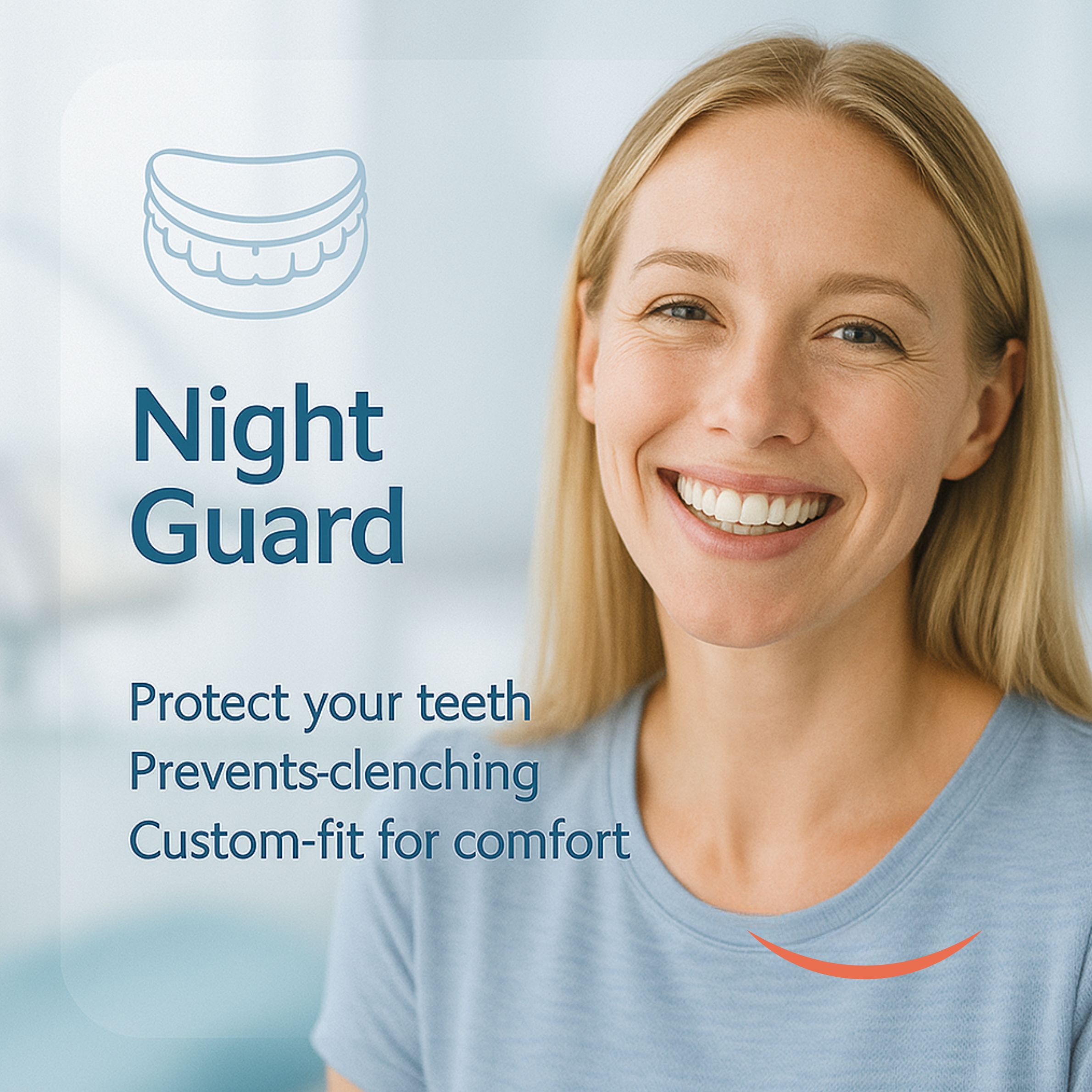
Night Guard
A night guard is custom made and slips over upper or lower teeth and prevents the harmful effects of grinding during sleep. Grinding or clenching your teeth may result in chipping or wear of teeth and facial pain. Bruxism (grinding or clenching) may be due to stress, problems sleeping, an abnormal bite, and crooked or missing teeth.
Regular dental checkups are important to detect damage in the early stages. The treatment of bruxism may vary from finding ways to relax, reducing the high spots on one or more teeth, night guards, replacing missing teeth, etc.
About Snoring & Sleep Apnea
What is Sleep Apnea?
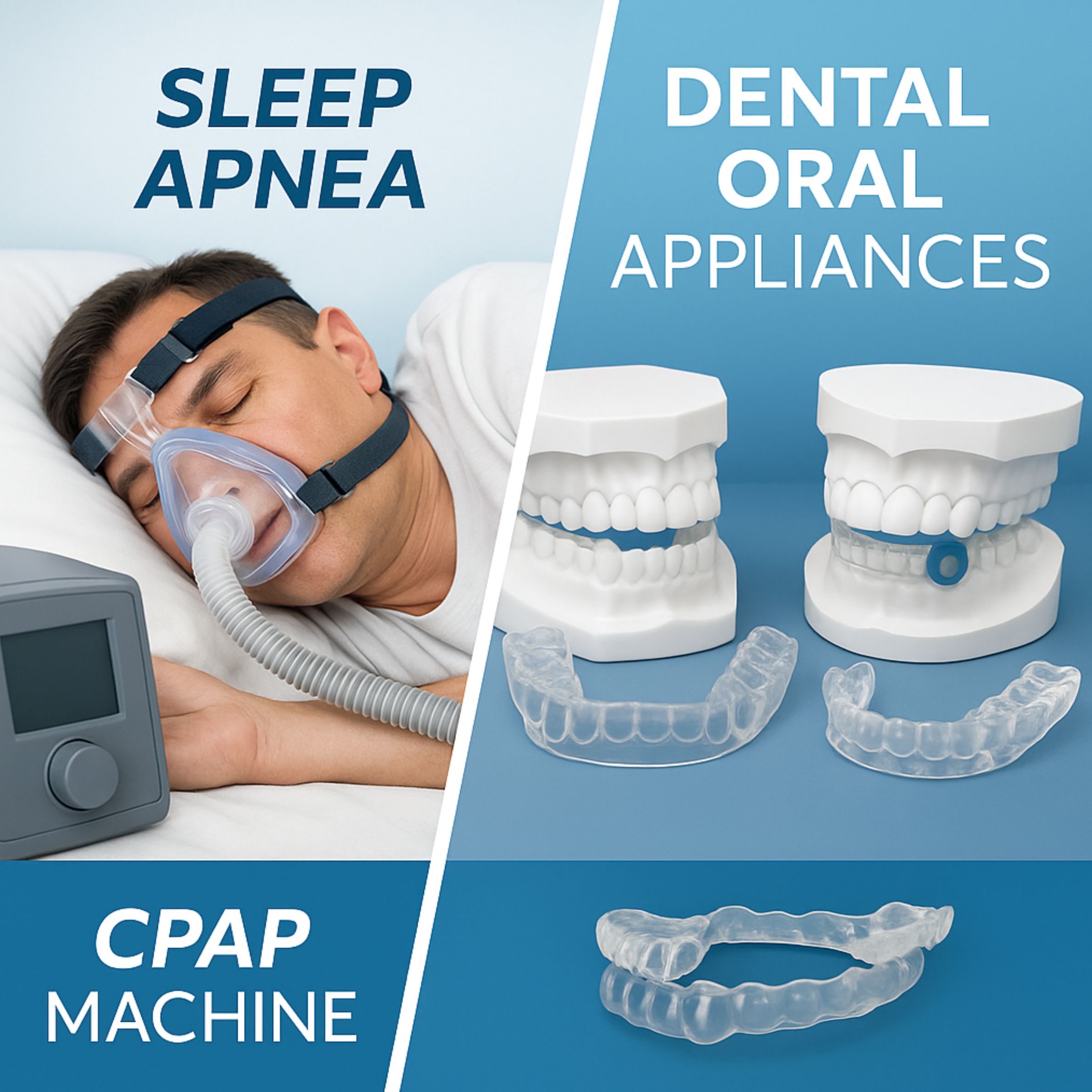
Snoring may be a sign of a more serious condition known as Obstructive Sleep Apnea(OSA). OSA is characterized by multiple episodes of breathing pauses greater than 10 seconds at a time occurring during sleep. The pauses are usually when the muscles in the back of the throat relax and the tongue is pressed against them creating a blockage of the airway.
Should I be concerned about Sleep Apnea?
Sleep apnea is a dangerous medical condition. It may cause many health consequences like heart attack, stroke, weight problems, diabetes, high blood pressure and more.
There are several ways to treat OSA.
- Create a uniform, white, beautiful smile.
- Fix Misshappen or crooked teeth.
- Severely discolored or stained teeth
- Teeth are too small or large.
- Cover unwanted or uneven spaces or chips.
CPAP Machine Alternative
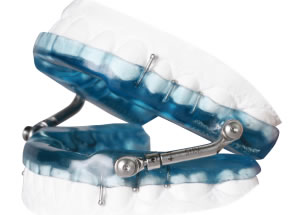
If you think you have OSA or have been diagnosed with OSA and use a CPAP machine and are not happy with it, we may be able to help you with a custom fit oral appliance. This could be the most comfortable option for mild to moderate sleep apnea.
About Digital X-rays
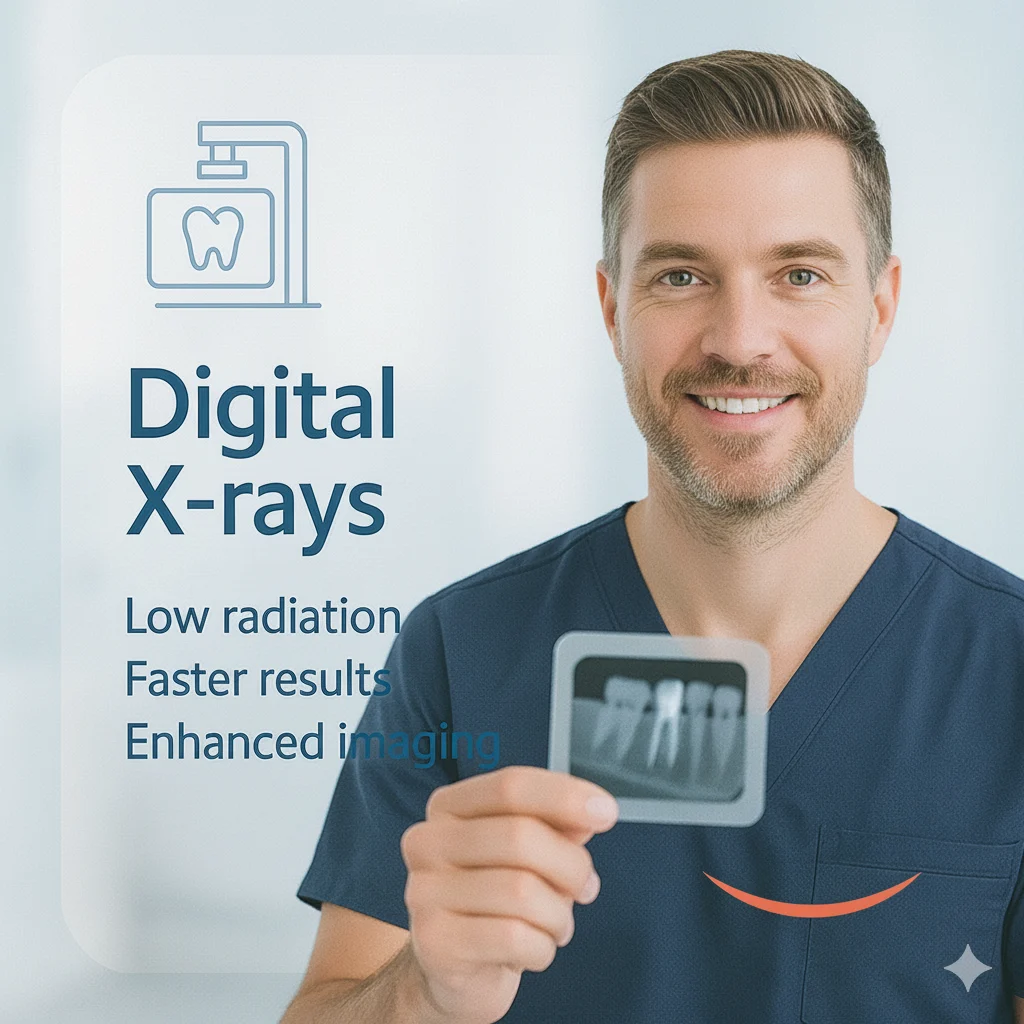
Our practice is dedicated to providing our patients with the safest and most convenient treatment options available. So we use advanced digital X-ray technology in our office.
Digital X-rays provide several imaging options designed to save time, provide clearer pictures for better diagnosis and expose patients to lesser radiation than with traditional X-ray technology.
It also makes us an environmentally friendly office with the elimination of chemical and water usage.
Call us today at (724)-695-8447 for more information about Invisalign®
Let us help give you a beautiful smile you can be proud to show!